

Aqua therapy is a funny thing, in that it’s one of those interventions that’s pretty old and respected, but at the same time, it doesn’t have the boundaries and limitations that many specific fields in therapy have. What is it? All types of water-based movement, exercise, soaking, swimming, and more! Who can benefit? Basically everyone!
It sounds almost like some of those alternative treatments on the market that claim to help everyone with every kind of problem. (We’re not knocking the whole world of alternative therapy; naturally, there are modalities out there where research is still emerging, but people have already seen positive effects. But when a method claims to be a fix-all, based on ideas that don’t have any scientific basis, it can be viewed with a healthy dose of skepticism, is all.)
With aqua therapy, though, the explanation of how it works is simple enough: physics!
First, a definition
Aquatic/Aqua/Hydro therapy isn’t something that can be defined in a single sentence — perhaps because the same term takes on many different meanings, depending on who is saying it.
Aqua therapy is often used as an adjunct to physical therapy for children with CP and other physical disabilities, where specific movements and excercises are taught and practiced while immersed in the water.
There are also many children with special needs who are essentially receiving glorified swim lessons, but nevertheless, their instructors might refer to the service rendered as “aqua therapy”. And why not? Swimming is known to be a therapeutic activity, after all.
A third kind of aqua therapy, also referred to as hydro therapy (there’s a machlokes whether the two are interchangeable or distinct names for the same modality), focuses more on the healing effect that soaking has on the body and lungs.
While many therapists/instructors will stick to just one definition in their practice, there are providers out there who will combine the above types of aqua therapy to make a personalized program for their patients.
What makes it better than plain old PT?
Committing to new therapies for our children with special needs can cost a lot in time, energy, and money (not to mention patience while waiting for the results to show). Before cramming another session into an already-loaded schedule, you may find yourself asking yourself why this is necessary. How is it different then regular PT? Why should it help? How does it even work?
Your curiousity is justified. While ultimately, you’ll have to decide on your own whether or not it’s worth the investment, we’re happy to provide you with the explanation*:
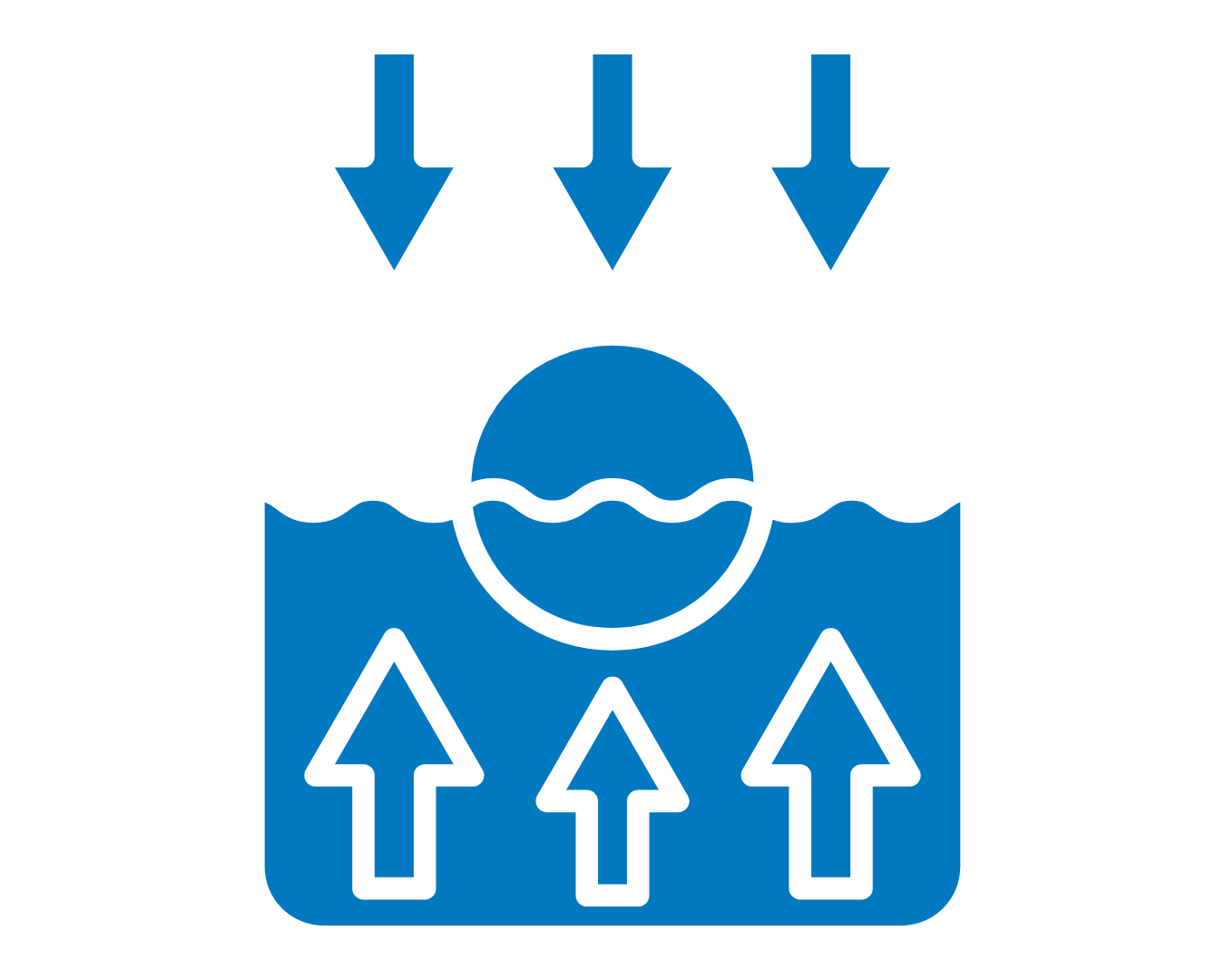
Water provides buoyancy (that force that pops you up in the pool) as a counterforce to gravity. The buoyancy supports our weight in the water and makes it much easier for someone who struggles to stand or walk on their own to do so, as they don’t have to fight against gravity.
Because gravity’s pull is counteracted by buoyancy in the pool, and because liquid doesn’t like to flow when it can help it (viscosity), when a person begins to lose their balance or fall underwater, they do so in slow motion, and there’s more time to learn how to steady themselves. This is a great skill which can be taught first underwater, where there’s more time and less risk, and then generalized to land.
The slow, dragging nature of underwater movement provides a great sensory experience! The resistence helps us feel our whole body and its movements (proprioception), which is helpful for both improving coordination and getting sensory input.
Buoyancy is the result of hydrostatic pressure, a kind of pressurized force that gets stronger as the water gets deeper (that’s why it’s easier to stand on the floor of your shallow bathtub than the floor of a chest-high pool — the deeper the water, the more it’ll push you up). The pressure makes underwater excercise more strenuous; your muscles are working harder and getting stronger than they would from the same movements on land. More bang for your buck!
Wait a sec — shouldn’t that make it more difficult to move around in the pool? Good, logical point. Here’s why that doesn’t happen: on land, your joints and muscles are usually working hard to support your weight — but in water, you’re practically weightless, so a big load is taken off the joints and muscles, allowing them to move more freely. They are also going to experience less strain and therefore less post-exercise soreness.
One great benefit of all this is the increased self-confidence: I can walk like everyone else! I can stand without help! The feeling of achieving success in the pool increases self-esteem, and might even encourage better cooperation in other therapies or in the classroom.
Physical therapy goals aside, treading water and swimming are basic safety skills that many children with special needs are capable of learning with the help of good instruction. Swimming can be presented as a fun and relaxing activity, and at the same time, your child can master these important skills in safety and independence. Win-win!
Whether it’s swimming laps in a proper olympic pool or soaking in a warm spa tub, water is known for reducing pain, stiffness, and swelling.
* A lot of the availbable research on the science of aqua therapy (explaining why while underwater it’s both easier to move and movement is slower) contains minor contradictions as to which specific principle in physics is responsible for the outcomes… But the outcomes are more or less identical: all agree that it’s easier to move and that movement is slower while underwater.
How do I know that my child’s aqua therapist is any good?
As of now, there is no official medical or therapeutic license for aqua therapy. An “Aqua therapist” is more of a job description than a credential. That said, there are voluntary certification trainings in aqua therapy available, generally for therapists such as PTs or OTs. A professional who took such a course might implement aqua therapy within their work.
If you are bringing your child for aqua therapy because you have physical therapy goals for them, such as improving balance or coordination, the number one thing is to make sure that the provider is a licensed physical therapist.
Don’t worry, though: besides for certain cases of heart conditions or open wounds, aqua therapy is pretty much a low-risk intervention. So if you’ve been using an aqua therapist who is not otherwise a licensed healthcare professional, your child probably wasn’t harmed by the experience… The idea is just that you want to milk the aqua therapy sessions for as much progress as possible, and using someone who has clinical credentials and experience will be more effective in the progress department than using your average swim instructor.

What’s the price tag?
You may be able to get aqua therapy covered by your insurance, especially if it’s provided by a licensed PT or OT. There are some medical centers (such as Ezra Medical in Boro Park and Ahava Medical in Flatbush, Williamsburg, Inwood, and Liberty) which offer aqua therapy through insurance on their premises.
If your child isn’t authorized for physical therapy and/or you are specifically looking for swim instruction, lots of New York families have been able to get swim classes covered by their Self-Direction community classes budget. There are many swim instructors who accept payment through Self-Direction and have experience working with children with special needs in the pool.
For aqua therapy and swim class referrals, reach out to Ezreinu at 718-750-1010.

Mendy, a cheerful, friendly toddler with a developmental disability, was feeling very bored on Sundays, when he didn’t have day care to go to. Unsure of whether a program for Mendy’s age and level even existed, his mother called Ezreinu, and was informed of a local Sunday program that had an open slot in Mendy’s age group!
The Scheiners were moving to a new city and were struggling to find a school for Shlomo, their sweet 10-year-old son with ASD. A friend told Mrs. Scheiner about a school that she thought may be a good fit, and they began the application process. At a certain point, though, Mrs. Scheiner began to wonder if it was truly the right place for her son. She called Ezreinu and received detailed information about the school: while it was a great program, it did not offer enough support for Shlomo’s needs. Grateful for the clarification, Mrs. Scheiner stopped the application process and began to look into other local schools which were better-equipped to service him.
Identifying details have been changed to protect client confidentiality.
Liked this post?
Sign up to receive bi-weekly updates to your inbox.