Coats, scarves, hats, gloves… Winter brings a whole bunch of paraphernalia unique to the season. For some families, the greatest winter gear-related challenge is keeping their coat closets organized. Not to minimize anyone else’s struggles, of course, but families of children with special needs may be accustomed to dealing with slightly more challenging issues during the cold weather.
Read on for some fantastic winter-gear tips and links that work for YOUR child, shared by fellow parents.
Adaptive Outerwear
Typical coats work well for many kids with special needs, but Mrs. S. wanted something better for her non-ambulatory daughter, Rina*. Puffy coats that are warm enough take up too much space between Rina’s back and the wheelchair back, making the straps uncomfortably tight. It was also very difficult for Mrs. S to get the coat on comfortably and smoothly when Rina was seated. The back of the coat kept folding and the zipper track was scrunched from her position.
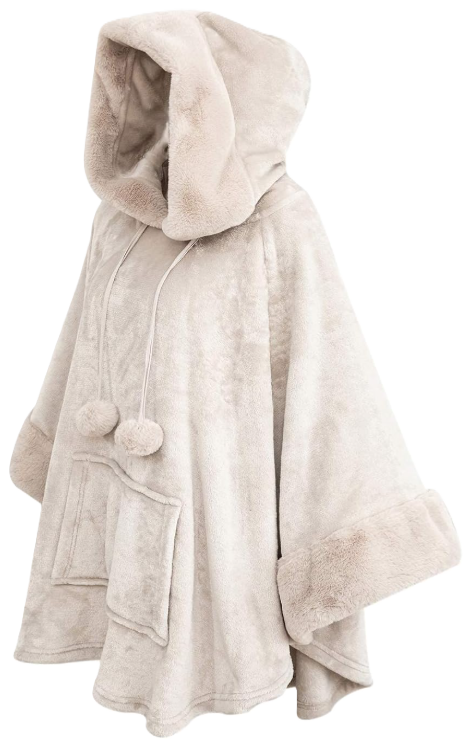
After asking around, Mrs. S. found a solution: capes! A cape can be put on very easily over the fastened wheelchair straps, and it comes off just as easily. Capes are one-size-fits-all and comfortably loose while still providing warmth.
Some parents are happy with the regular cozy pochos (or even wearable camping blankets) available on the market, while others buy a piece of warm material on their own and have a cape custom-made.
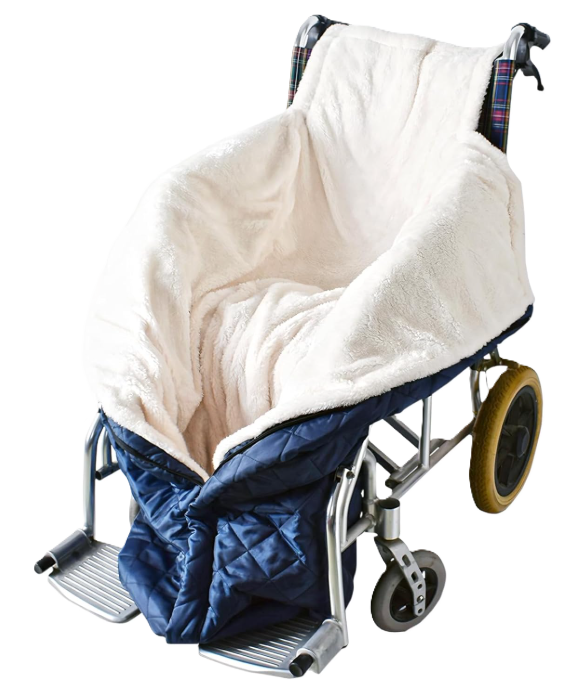
Another idea which may be worth considering is using a wheelchair blanket to keep warm instead of a coat. There are specialized wheelchair bunting-style blankets which keep the wearer warm without trailing onto the floor. (You may want to cut slits in the back to accommodate any straps.)
Other parents find themselves dealing with different outerwear-related obstacles.
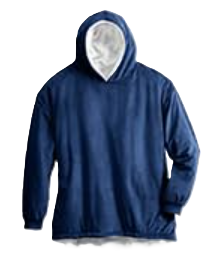
Many children have a hard time with classic zipper-close coats for sensory reasons. For a child who finds the zipper too annoying, consider an over-the-head blanket sweatshirt instead of a coat. These are warm, soft, and cozy and come in various lengths, styles, and sizes.
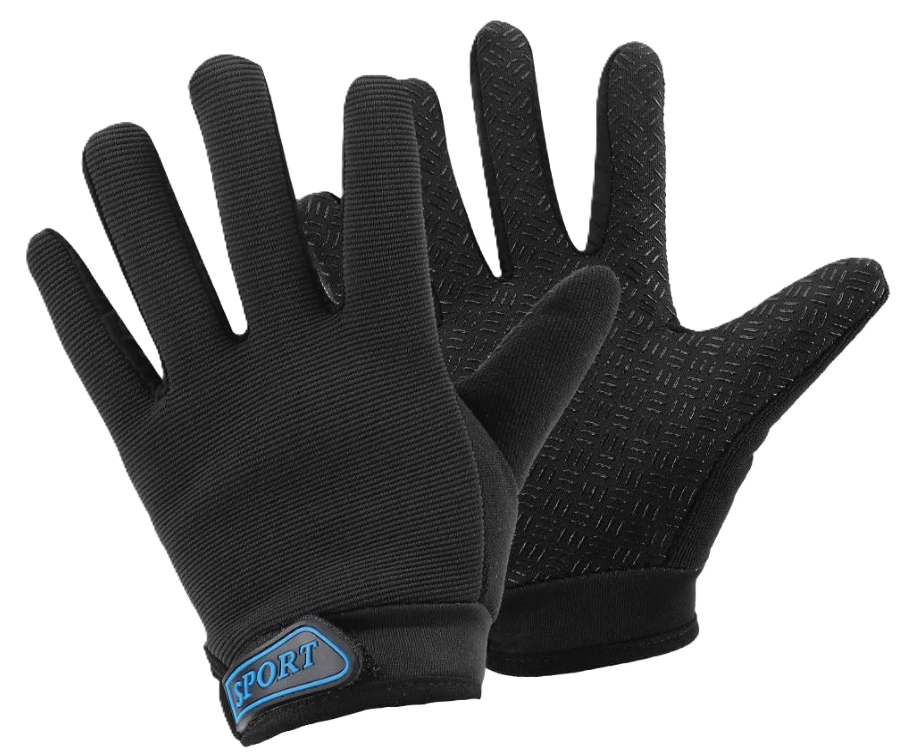
Many individuals with special needs get around with the assistance of crutches, walkers, or manual wheelchairs. The cold weather is hard on bare hands, but regular soft knit gloves are too slippery for gripping equipment. Bicycle gloves come in kids and adult sizes and are a great way to keep hands warm while maintaining a firm grip.
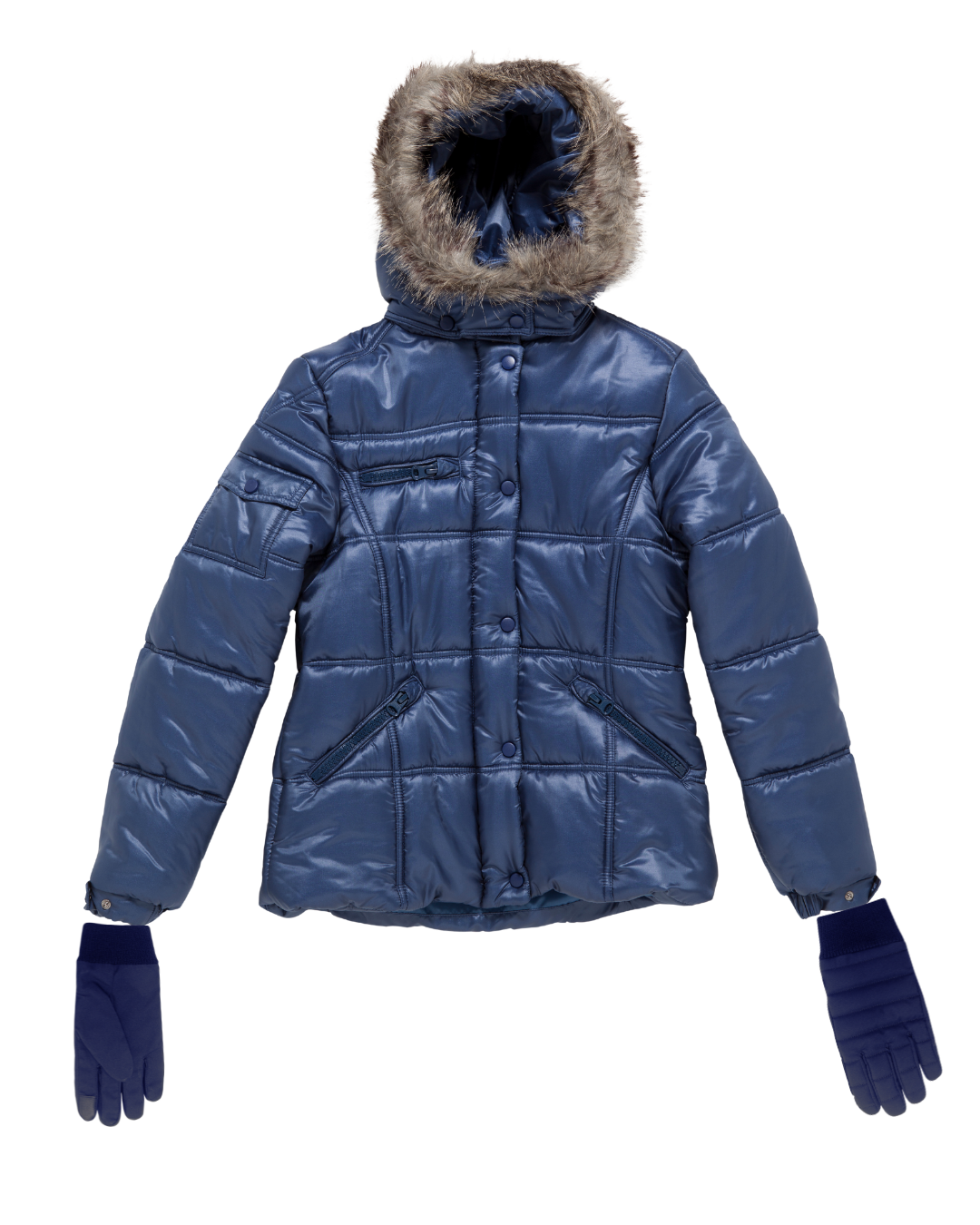
We all know what happens when we send our kids off to school fully outfitted for the winter… Matron or no, the first day of winter weather, the kid comes off the bus missing one glove. The next day, he comes home without his hat, and the day after that, the second glove is gone. Wise parents use those clip fasteners to keep the gloves and hat firmly attached to the coat, but unfortunately, for the sensory child, little cold metal clips are not always appreciated.
One mother of a child who found those clips too uncomfortable shared how she managed to keep accessories from getting lost: she took a long strip of elastic, sewed a glove onto one end, threaded the elastic through one coat sleeve, tied the middle of the elastic to the coat tag, threaded the other half through the second sleeve, and then sewed on the second glove onto the end. This ensured that the gloves didn’t go AWOL, while still allowing for easy removal for washing.
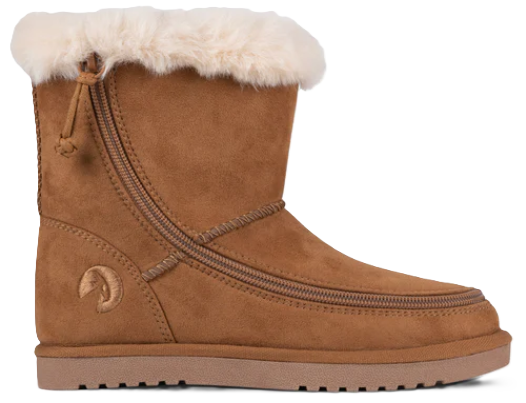
Looking for a warm boot that will fit over clunky AFOs? Billy Footwear sells beautiful, Ugg-style boots with an all-around zipper for easy on and off.
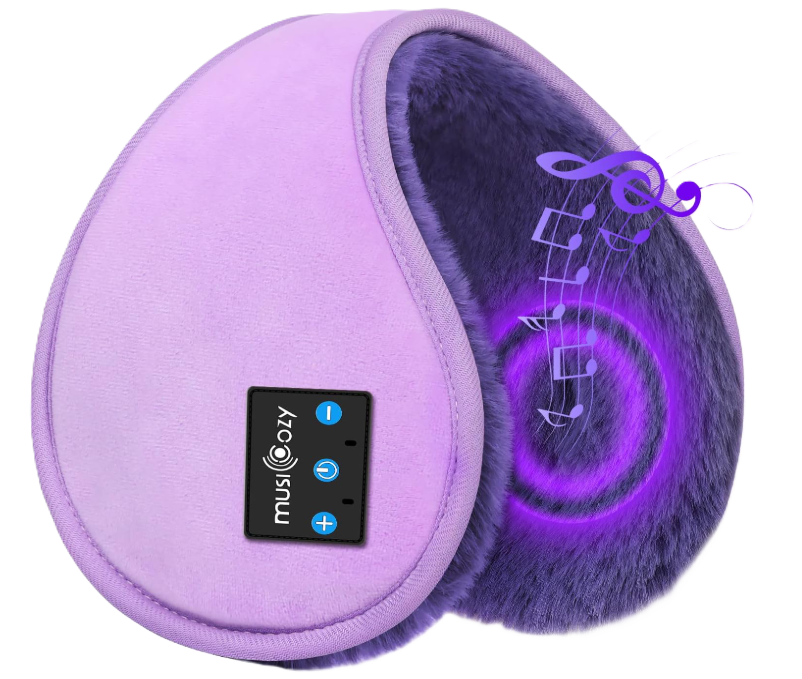
Many kids with special needs struggle with the discomfort of wearing a yarmulke, let alone a warm hat for the winter. These wireless headphone earmuffs are a great motivator to keep earmuffs on — they play music like any wireless headphones, but they have the added benefit of being soft and warm.
Does your child like to play around with the thermostat settings? Playing with the buttons on appliances, big or small, are a favorite pastime of many children with special needs.
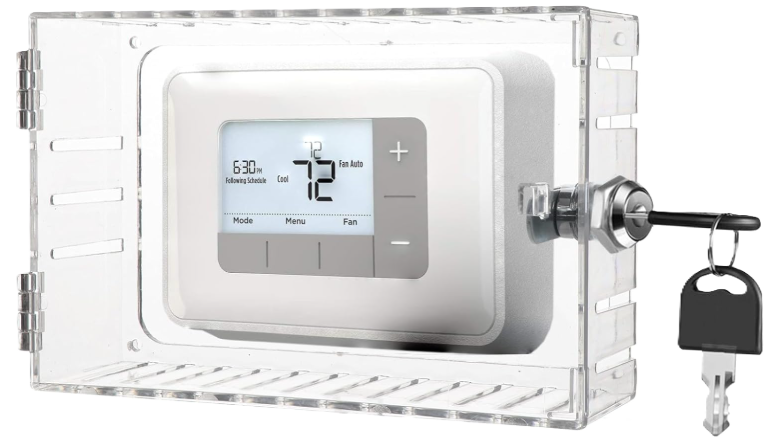
While we certainly recommend speaking with your child’s teacher and/or BCBA to understand why your child is doing this and make a plan of action, if you don’t want your child playing around with the temperature, it might be worthwhile to cover the thermostat.
There are different types of covers available on the market for self-installation, including options that require a key to unlock.
Some kids press the buttons because they like pressing buttons. Other kids might actually be trying to change the temperature. Weather changes can be hard on kids with sensory needs, and the discomfort might affect their behavior. You might want to put a small fan or heater in your child’s room so that they can be comfortable while you keep your home at your preferred temperature.
Imagine you could join a community of mothers of children with the same needs as your own. You’d get networking opportunities, inspiration, and companionship all at once.
You’d be in it together instead of going it alone.
Sounds like a dream?
We’re excited to let you know that Ezreinu is offering the following WhatsApp support chats for moms:
Thanks to each of your generous contributions, we were able to raise 105% of our $400,000 campaign goal!
As we continue to guide and support more families of children with special needs, we’ll remember that we couldn’t have done it without you.
Thank you for opening your heart, for extending your hand, and for paying it forward.
Dovi, a fun-loving, mischievous 5-year-old with special needs qualified for certain services from the board of ed in his district, but there were some technical issues that needed to be sorted through before he could actually receive the services. Dovi’s mother reached out to Ezreinu and was put in touch with a knowledgeable board of ed contact in their district who could guide her.⬛
The Melman family was looking forward to their annual extended family Shabbaton, but the prospect of bringing along and caring for their daughter with medical needs worried them. Ezreinu found a volunteer to care for their daughter over Shabbos so that the Melmans could participate in the Shabbaton and enjoy a well-deserved vacation. ⬛
Identifying details have been changed to protect client confidentiality.